
This is an important topic that has been on my mind lately—most likely because I’ve been on quite a few phone calls over the past few months with potential clients looking for guidance, clarity around the entire remodeling and renovation process, and, of course, some killer design guidance from our talented team. Feeling so grateful!
The only challenge is that, oftentimes, they’re already in the middle of their project or preparing to begin construction the following week. This is always a difficult moment because, while there are things we can do to step in and support the project, it usually requires a client who is comfortable designing on the spot, selecting items quickly, and working through a long list of decisions their construction team needs in order to keep moving.
So, this leads me to the big misconception I see and hear. That you bring in your interior designer toward the end of a project to select furniture and decor—or after you’ve already signed with a contractor and are ready to begin demolition.
This is far from the truth. Our value as designers is most crucial and impactful when we’re brought in early. Why? Let’s get into it.
Your designer DEVELOPS the clear vision your contractor will build.
Before construction begins, there needs to be a plan. Think of it like getting ready to bake without having any idea what you’re baking—you need the recipe before you can get started! The same is true for your home: it needs a clear design direction.
We help identify the key elements and floor plan updates that will allow your home to function specifically for your needs, routines, and long-term goals. This means looking beyond each individual room and considering the home as a whole: the viewpoints from one space into another, how the rooms connect, how you’ll move through the home, and whether the layout truly supports the way you live.
The second misconception is that your contractor will help design the home. I mean, look—I thought so too! And that couldn’t be further from the truth. I’m sure there are some very talented designer-contractors out there, and a true design-build firm may offer dedicated interior design services. However, most contractors are hired to price, schedule, coordinate, and construct the project.
They’re generally looking to begin building from an established plan and with clear direction—not spend months exploring layouts, developing custom details, or helping you select every material and finish. Your designer creates the vision and the roadmap; your contractor uses that information to bring it to life.
Planning early allows important decisions to happen before construction.
We cover all of the tedious questions and countless design decisions—including details you may have never thought of, and why should you? These details are important, though. Floor plans, cabinetry, lighting, plumbing, materials, and architectural elements often affect one another, and together they create an elevated, well-thought-out, and personal home.
This also gives you time to explore your options without feeling rushed into making selections because the contractor needs an immediate answer to keep the project moving.
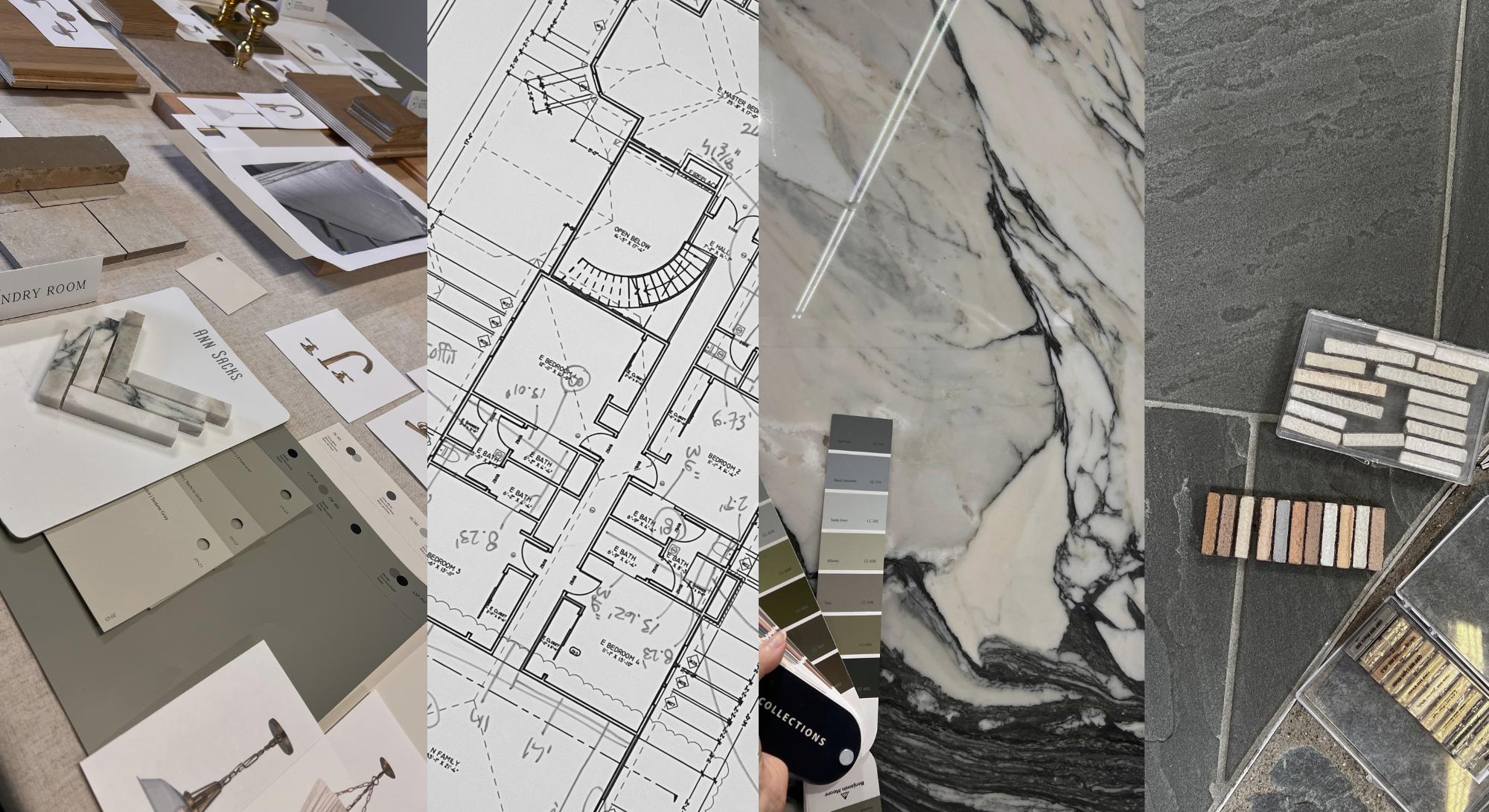
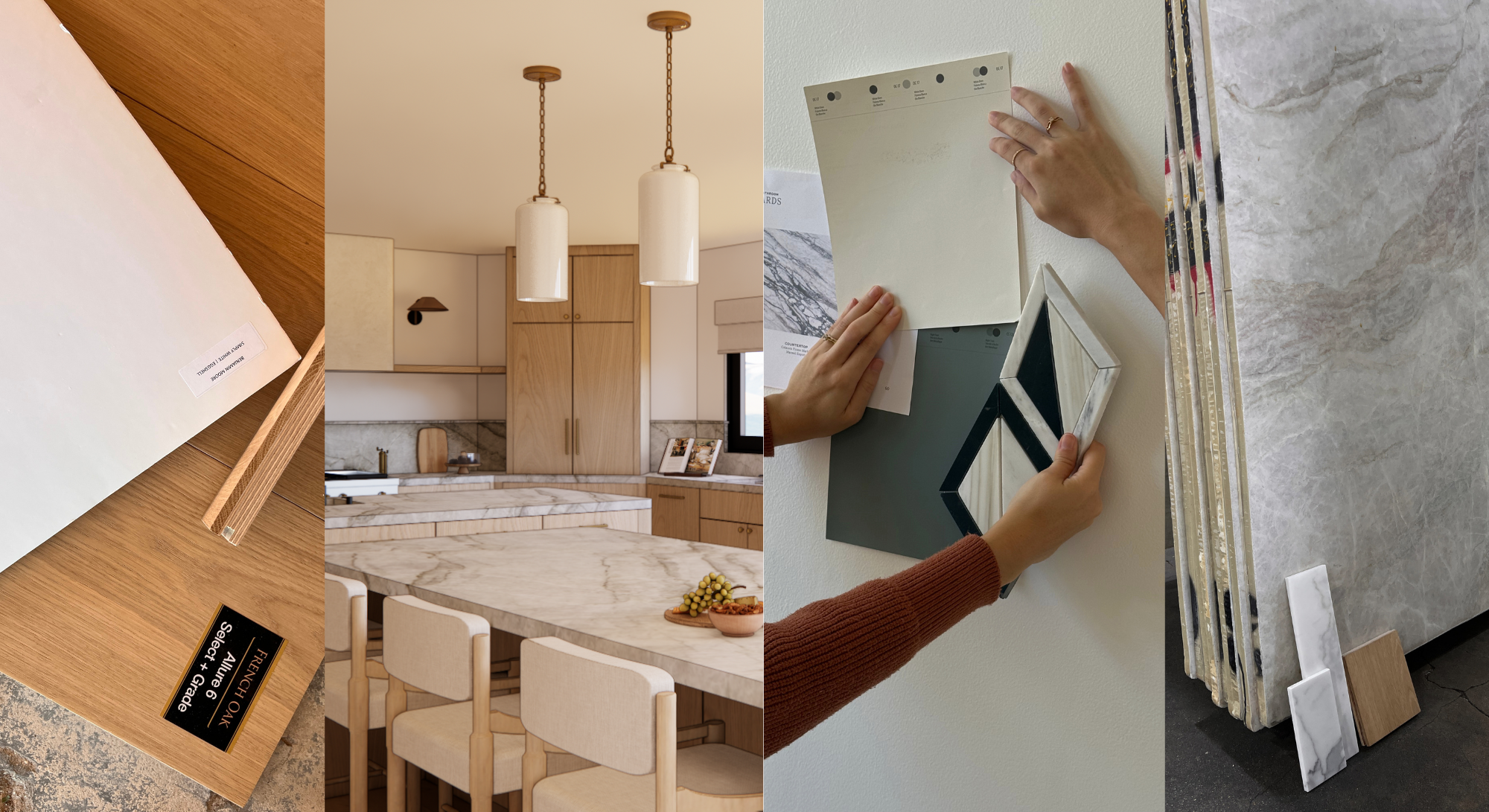
A developed design leads to clearer pricing and fewer surprises.
With everything considered, details covered, and a clear vision for the team. Your contractor can provide more informed pricing when the layouts, materials, fixtures, and custom details have already been identified. Without that information, estimates may rely on allowances and assumptions that don’t reflect what you will ultimately choose.
Early design planning gives the contractor clearer information to price while helping you understand the full scope of the home you’re hoping to create.
The BEST results come from the right team collaborating early!
While you can see the value of bringing in your designer early, that doesn’t mean the designer replaces the architect or contractor. On the contrary, each professional contributes a different type of expertise, and there will often be overlap and collaboration throughout the project.
Your designer shapes how the home will look, feel, and function. Your architect creates the structural look and balance of the home’s overall design and addresses structural requirements, codes, and permitting. Your contractor determines how the design will be built and oversees construction, quality, timelines, and the many subcontractors and trades involved in the project.
When the process is guided with care and expertise, the result is a home that feels like it was built just for you and your family—personal, intentional, and aligned with your life. A home that functions beautifully behind the scenes while feeling elevated, cohesive, and timeless throughout.



Thank you for reading along! I hope this helped bring a little more clarity to when you should bring in a designer and why it can make such a difference in the overall project experience. If a remodel or new build has been on your mind, I hope you now feel a bit more confident about where to begin.